Ep. 55 | Fundraising is Overwhelming- Here's a Story-Driven Marketing Plan for Steady Support
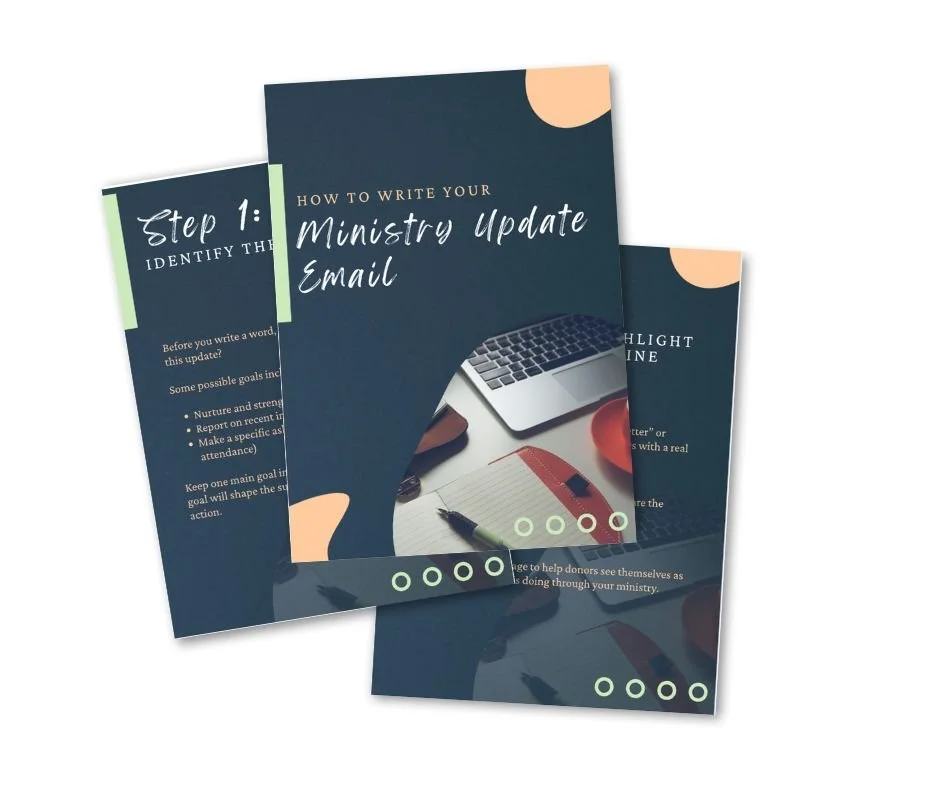
Struggling to Write Your Newsletters so Supporters Engage?
You’ve seen God do amazing things- but if your emails are vague or unclear, your supporters won’t feel connected.
This free guide will show you how to:
Write subject lines that get your emails opened
Follow a simple story-driven format for every update
Engage donors with clear, Christ-centered storytelling
Why Fundraising Often Feels Terrible
Most ministry leaders never stepped into this work wanting to fundraise. You got into ministry to serve, to love, to lead—but suddenly you’re staring at a blank screen, cursor blinking, and the pressure of what to say feels heavy.
That stress isn’t because you’re bad. It’s because most fundraising communication lacks a clear structure your donors can connect with.
That’s where story comes in—not because we’re selling something slick, but because human brains actually respond to story. When you use it right in your fundraising message, donors don’t feel pulled; they feel invited.
Two Ways to Use Story in Your Fundraising
You can apply storytelling in ministry fundraising in two distinct ways — and both are worth doing.
1. Small Impact Stories: The Human Heartbeat
These are the stories of real people your ministry has touched.
Not generic stats.
Not vague outcomes.
Real lives changed.
Impact stories create an emotional connection because donors see something tangible. A woman whose life was different because of your ministry. A student who got a second chance. A family restored.
These stories are powerful, but they don’t happen by accident. You have to collect them, organize them, and steward them ethically—which means:
getting permission before sharing
not exaggerating or combining multiple people’s experiences into one
protecting dignity while telling truth
Small impact stories are gold — and they don’t lose effectiveness just because you use them more than once.
2. The Ministry Story Framework: Your Blueprint
This is the bigger picture — the storyline that runs through every piece of your communication.
Most ministries make the mistake of starting with:
what you do
how you started
what your ministry is about
But donors don’t come to your ministry’s story first. They come with their story. What they care about. What they believe. Where they want to make a difference.
So your fundraising story needs:
Donor as the Main Character
Ministry as the Guide
A Clear Conflict (the need your ministry helps resolve)
A Path Forward the Donor Can Act On
When donors show up and see themselves in the story, your message stops being a “pitch” and becomes an invitation.
And once you build this framework, you can use it in:
newsletters
web pages
emails
social posts
presentations
Everywhere.
It makes your messaging more consistent, clearer, and easier — because you already know the structure you’re working from.
Story Isn’t Some Trick — It’s Clarity
Storytelling doesn’t make fundraising manipulative.
It makes it understandable.
It makes it human.
If you want help walking through the parts of your ministry’s story — who your donor is, what the conflict really is, how to word the resolution — doing this alone is the hardest way to figure it out.
That’s what my one-on-one coaching is about — helping you define it step by step so it becomes simple to use everywhere.
More Episodes