Ep. 41 | When Your Ministry Feels Invisible: 3 Steps to Build Donor Trust
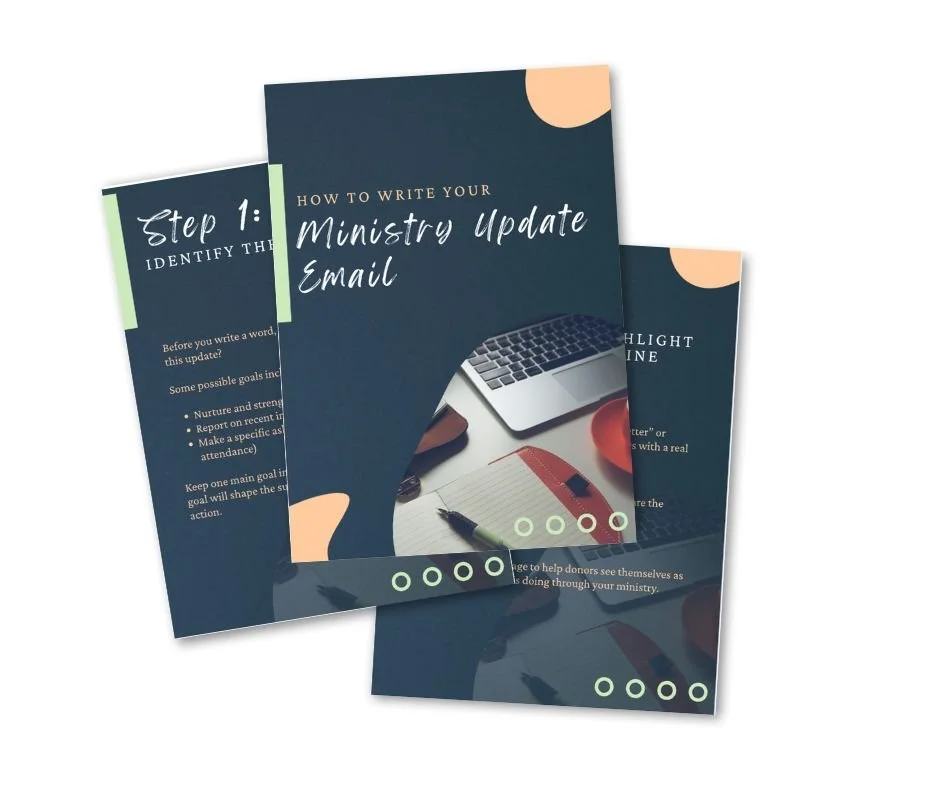
Struggling to Write Your Newsletters so Supporters Engage?
You’ve seen God do amazing things- but if your emails are vague or unclear, your supporters won’t feel connected.
This free guide will show you how to:
Write subject lines that get your emails opened
Follow a simple story-driven format for every update
Engage donors with clear, Christ-centered storytelling
Have you ever felt invisible in your fundraising?
Like you’re doing everything you can—showing up, sending emails, networking, praying, following up—and still… silence?
No replies.
No momentum.
Sometimes even donors you’ve already connected with seem to disappear.
It can feel heartbreaking when God has called you to a ministry you know is important, but others don’t seem to see the need or understand the urgency. Many ministry leaders describe this as feeling unseen, overlooked, or even forgotten.
But invisibility isn’t a sign that your ministry is failing.
Often, it’s a signal that something deeper needs strengthening: donor trust.
Let’s walk through three simple, powerful ways to build donor trust so your ministry can grow healthy, lasting relationships with supporters.
1. Show Up Consistently in Your Donor Communication
One of the biggest reasons donors disengage is because they never hear from the ministries they support—or they only hear sporadically.
Consistency builds credibility.
Whether you connect through:
Monthly newsletters
Twice-a-month updates
Email sequences
Social media
YouTube
Printed letters
…donors need to see that you are committed, reliable, and present.
When ministry leaders show up consistently:
Trust grows
Donors feel reassured
Your message stays top of mind
You model integrity, perseverance, and commitment
In today’s world, people start things all the time—new podcasts, new YouTube channels, new ministries—and then stop when it gets hard. Donors have seen it. You’ve seen it too.
But when they see you showing up again and again, that consistency speaks loudly:
This ministry is stable. Trustworthy. Worth investing in.
If you don’t have a primary method for donor communication yet, now is the perfect time to choose one and commit to it.
2. Share Stories—They Build Emotional Trust Faster Than Anything
If there is one tool that consistently deepens trust and strengthens donor engagement, it’s storytelling.
Stories do what data, explanations, and updates cannot—they create an emotional bridge between your donor and the work God is doing through your ministry.
Share stories about:
People your ministry has impacted
Transformations you’ve witnessed
Lives changed because someone gave
Donors whose own lives were strengthened through giving
Moments where God clearly moved
Stories tell donors:
This is real. God is working. Your giving matters.
Stories also make your ministry feel human and relatable. Donors stop seeing you as an organization and start seeing the people behind the work. This emotional investment turns casual observers into long-term partners.
3. Use Donor-Focused Language (Make Them the Main Character)
Most nonprofits accidentally make this mistake:
They talk about themselves.
“Our ministry does this…”
“We have served…”
“Our mission is…”
“We help…”
While those facts matter, they don’t build trust or engagement.
Trust grows when you shift your language so the donor becomes the one taking meaningful action.
Try messaging like:
“You helped bring the gospel to…”
“Because of your generosity, this family…”
“You made this transformation possible.”
“God is using your partnership to…”
This language communicates:
You matter.
You have a role.
You’re part of something bigger.
This ministry needs and values you.
When donors feel included as the main character, trust rises—and so does their desire to participate.
This isn’t manipulation. It reflects the biblical truth that God uses people to accomplish His work, and donors truly are part of the ministry story.
You Don’t Have to Feel Invisible Anymore
Donor trust doesn’t grow from hype, pressure, or perfect fundraising strategies.
Trust grows from connection.
From consistency.
From story.
From language that sees, honors, and includes the donor.
When you focus on these three practices:
Show up consistently
Share stories regularly
Use donor-focused, invitational language
…your ministry won’t feel invisible anymore. Your supporters will see you, understand you, and trust you—because you’re giving them clear, meaningful ways to connect with the work God has called you to.
Need Support Building Donor Trust and Messaging?
Join our free community for women ministry leaders raising support and learning to communicate more effectively:
👉 irisstorytelling.com/community
You’re not alone in this work.
Let’s build trust, clarity, and impact—together.
More Episodes